
Wall seepage and dampness in Mumbai and Pune homes: causes, prevention and design
By Red Brick Studio · · 3 min read
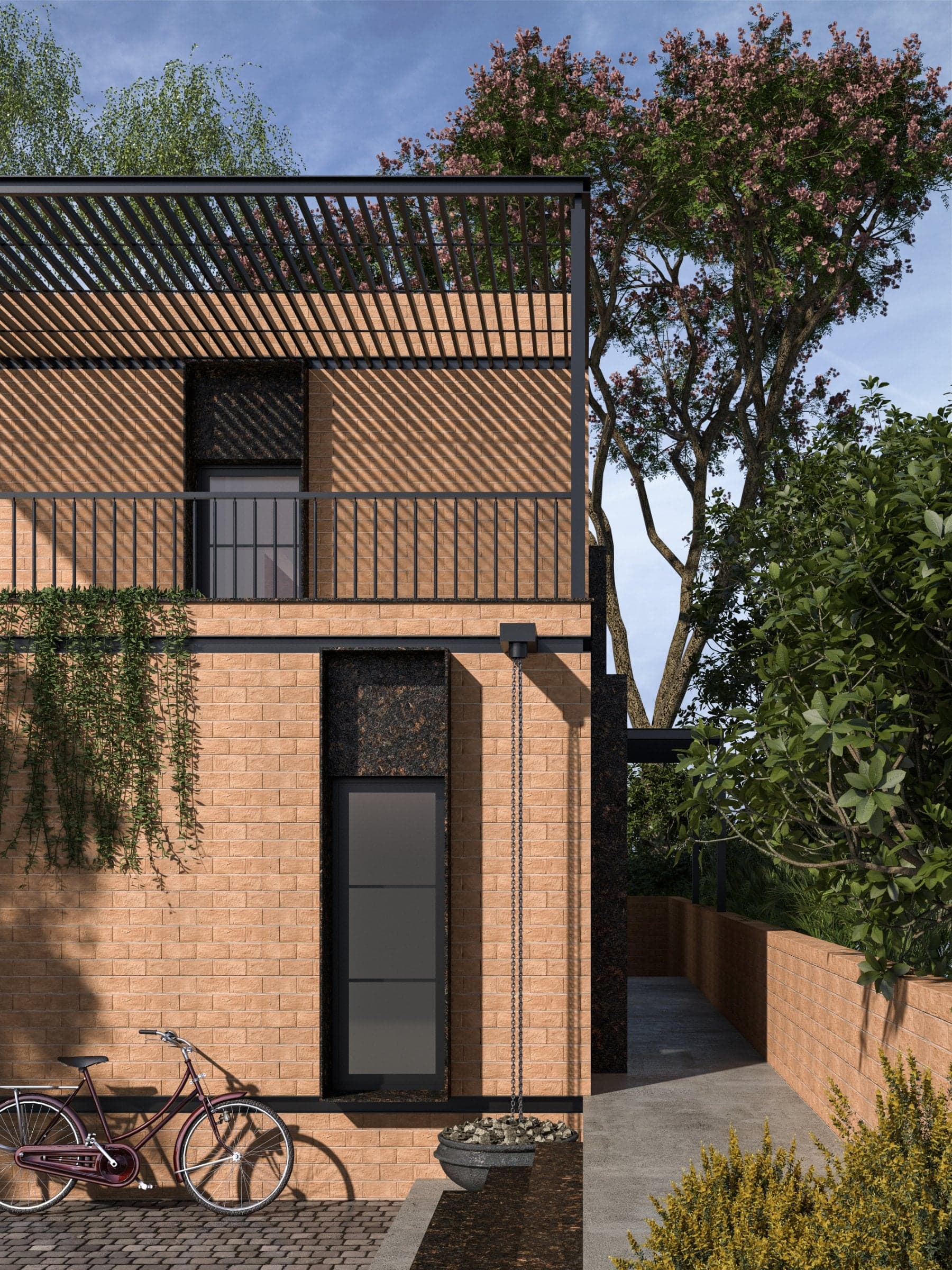
Most monsoon seepage comes from rain driven into cracks, joints and exposed walls, from rising damp in lower walls, or from leaking pipes. Prevention is mostly design and upkeep: good overhangs, sealed junctions, planned drainage and pre-monsoon checks. Find the source before you repair, because fixing the wrong cause fails.
What causes dampness in a wall
Mumbai's humidity and heavy rainfall make external-wall seepage a common complaint, and high winds on tall buildings can push rain into walls. Pune and the hills around it also get heavy monsoon rain. The common causes are:
- Construction joints, cracks and poorly finished plaster or concrete, where rain penetrates the wall.
- Rising damp, where groundwater moves up through porous materials by capillary action and affects lower walls.
- Leaking or sweating pipes inside walls and bathrooms.
- Indoor humidity and poor ventilation, which lead to condensation on walls and ceilings.
Find the source before you repair
Painting over a damp patch or injecting a product without knowing the source rarely works. A patch near a bathroom may be a pipe, a patch low on the wall may be rising damp, and a patch on an outer wall after rain points to the outside. A qualified professional can inspect and tell you which, and serious or repeated seepage is worth an inspection, not a guess. The advice here is general and cannot replace one.
What to design in before you build
- Overhangs and drip details: roof overhangs and drip lines keep rain off the walls and openings.
- Raised plinths: lifting walls above the ground reduces splashback and rising damp.
- Joints: an architect quoted in an industry article on Mumbai buildings says that in places like Mumbai you cannot have continuous dead walls, and that the joints between beams and brick or concrete walls must be waterproofed correctly.
- Early coordination: the same source recommends working with services and HVAC consultants early, so that pipes and ducts are not cut through finished waterproofing later.
- External protection: exposed external and boundary walls can be finished with cement plaster mixed with waterproofing additives, and exterior waterproof coatings are commonly recommended.
- Drainage and landscape: slope the ground away from the walls, and keep drains and gutters clear.
A pre-monsoon checklist for an existing home
- Walk round the outside and look for cracks, loose plaster and failed joints.
- Seal gaps around windows, balcony doors and pipes.
- Clear terrace drains, gutters and downpipes.
- Check the terrace waterproofing and any pooling of water.
- Look for pipe leaks in bathrooms and kitchens.
- Ventilate rooms, keep furniture a little off the walls and let in sunlight where you can.
How we think about water in a design
Water is a design question from the first sketch, not a problem to patch later. Our guide to whether a mud house is practical in a city explains why earth walls need generous roof overhangs and a raised base, and Urban Mud House in Hyderabad is a house built on that thinking. At Cove House, much of the building is sunk into the ground under a single curved roof, so how water reaches and leaves the building has to be considered from the beginning. At Tyndall, a screen of clay jaali blocks around the stair softens the afternoon heat and lets air move.
We sketch, model and mock up details before they are repeated across a building, because a junction that fails once will fail everywhere it is used. If you are planning a house and want it to cope with the monsoon, talk to us before the layout is fixed. Our guide to keeping a house cool in summer covers the other half of designing for climate.
Common questions
- Why do my walls get damp in the monsoon?
- Common causes are rain entering through cracks and joints, rising damp from the ground, leaking pipes and trapped indoor humidity. A professional inspection can tell which applies to your wall.
- Will repainting stop the dampness?
- Not if the source is not fixed. Paint over a damp wall tends to peel. Find and treat the cause first.
- Is dampness worse in Mumbai than in Pune?
- Mumbai's humidity and rainfall make external-wall seepage a common complaint, and Pune homes can also be affected, especially on exposed sites. The causes and checks are similar.
- Can good design prevent seepage?
- Much of it, yes. Overhangs, raised plinths, sealed joints and planned drainage reduce the risk, and they cost far less to include at design stage than to add later.
Projects mentioned


Sources for general guidance
Planning a project?
Red Brick Studio is an architecture, interior and landscape studio in Pune. Tell us about your site and what you have in mind.
Start a conversation